Unlock Premium Revenue: 7 Key AdX Approval Requirements for 2025-2026
SEO Meta Description: Discover the essential AdX approval requirements for publishers in 2025-2026. Learn how to get approved for Google AdX through MCM partners and maximize your ad revenue with this comprehensive guide.
URL: /adx-approval-requirements-guide
Google Ad Exchange (AdX) approval requirements are a critical consideration for publishers aiming to significantly boost their advertising revenue. While Google AdSense serves as an accessible entry point for many websites, AdX offers a premium platform with advanced features, higher-paying advertisers, and greater control over ad inventory. This comprehensive guide will delve into the intricacies of securing AdX approval, outlining the key criteria, the role of Multiple Customer Management (MCM) partners, and a step-by-step process to help publishers navigate this valuable opportunity.
For many publishers, Google AdSense is the initial foray into monetizing website traffic. It’s user-friendly and provides a straightforward way to display ads. However, as a website’s traffic and content quality mature, publishers often seek more sophisticated solutions to maximize their earnings. This is where Google Ad Exchange (AdX) emerges as a superior alternative [1].
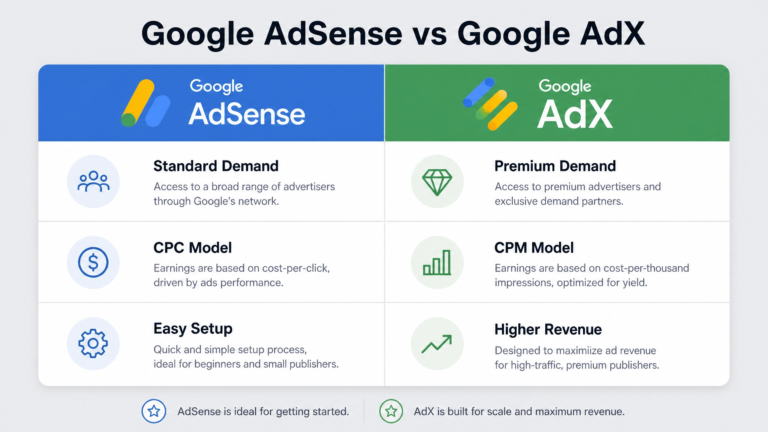
AdX is a real-time bidding (RTB) marketplace where publishers can sell their ad inventory to a vast network of advertisers, ad networks, and demand-side platforms (DSPs). Unlike AdSense, which primarily serves ads from Google’s own network, AdX opens up competition among a broader range of buyers, leading to higher eCPMs (effective Cost Per Mille) and increased revenue for publishers. The stringent AdX approval requirements ensure a high-quality environment for both advertisers and publishers.
The Two Paths to AdX: MA vs. MI
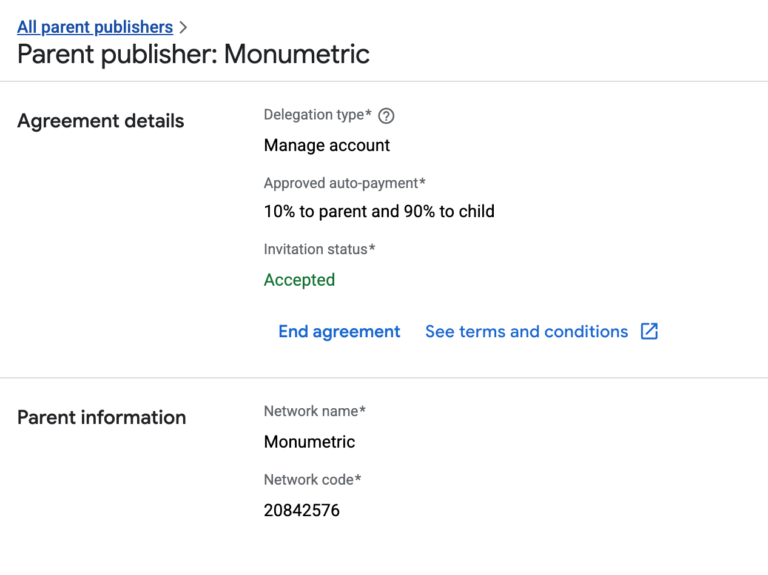
Accessing Google AdX is not a direct process for most publishers. Instead, it’s typically facilitated through a Google Certified Publishing Partner (GCPP) or an MCM (Multiple Customer Management) partner. There are two primary models for AdX access through these partners: Managed Account (MA) and Managed Inventory (MI) [1]. Understanding the differences is crucial for publishers considering AdX approval requirements.
Managed Account (MA)
With an MA account, publishers retain a high degree of control and transparency within Google Ad Manager (GAM). This model is often preferred by larger publishers with significant traffic and in-house ad operations expertise. Key characteristics of MA include:
•Direct Control: Publishers can directly manage ad units, set pricing rules, and configure advanced ad delivery settings within their GAM account.
•Detailed Reporting: Access to comprehensive, real-time reports and analytics directly from Google.
•Direct Payments: Payments are issued directly from Google to the publisher, ensuring full transparency.
•Suitability: Best for publishers who can handle advanced ad operations and have substantial traffic volumes.
Managed Inventory (MI)
In the MI model, the MCM partner takes on a more active role in managing the publisher’s ad inventory. This option is often suitable for smaller to medium-sized publishers who may lack the resources or expertise for direct ad operations. While still providing access to AdX demand, MI offers less direct control compared to MA. The MCM partner typically handles ad unit setup, optimization, and payments, often remitting a share of the revenue to the publisher.
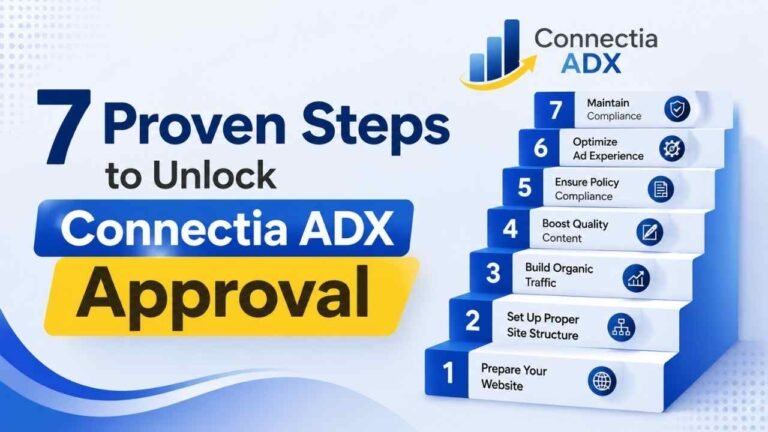
7 Essential AdX Approval Requirements
Meeting the AdX approval requirements is paramount for gaining access to this premium platform. While Google does not publicly disclose all specific criteria, industry insights and partner guidelines highlight several key factors. These requirements often go beyond those for AdSense, reflecting AdX’s focus on high-quality inventory and brand safety [2].
Here are 7 essential AdX approval requirements:
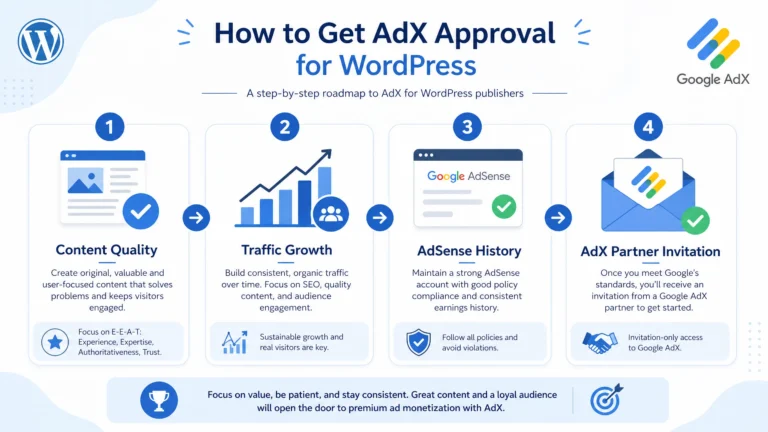
1. Existing Google AdSense Account
Before even considering AdX, publishers must have an approved and well-established Google AdSense account. This serves as a foundational step, demonstrating compliance with Google’s basic publisher policies and a track record of legitimate traffic and content [1].
2. Significant Traffic Volume
One of the most crucial AdX approval requirements is substantial and consistent website traffic. While there’s no official public number, most MCM partners look for publishers with millions of monthly page impressions. This ensures sufficient inventory to attract premium advertisers and generate meaningful revenue through RTB [2].
3. High-Quality, Original Content
Content quality is non-negotiable. Your website must offer original, engaging, and valuable content that provides a positive user experience. Sites with thin content, scraped content, or excessive ads are unlikely to meet AdX standards. Google prioritizes brand-safe environments for its advertisers [3].
4. Compliance with Google Publisher Policies
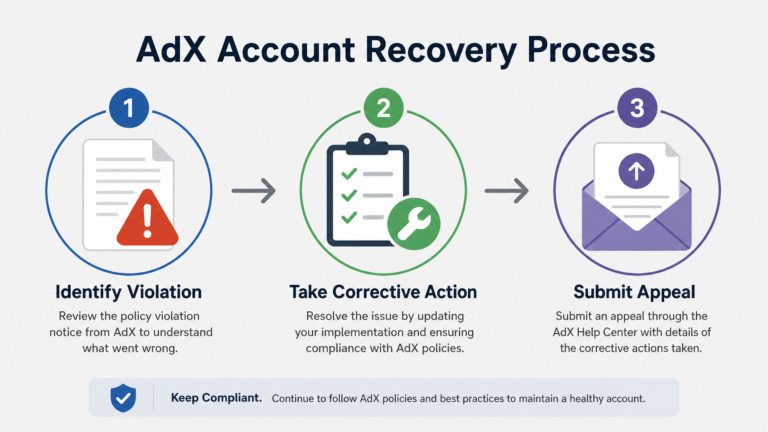
Strict adherence to all Google Publisher Policies is mandatory. This includes guidelines on content, behavior, invalid traffic, and ad placement. Any violations can lead to rejection or even suspension of existing accounts. Regular audits by Google and its partners ensure ongoing compliance [3].
5. Strong Payment History (for MA via some partners)
Some MCM partners, like AdPubsValue, may require a history of successful AdSense payments, often specifying a minimum number of payments (e.g., 3 successful payments) and a minimum amount (e.g., over $500 each) within a recent period (e.g., the last 3 months) [1]. This demonstrates a stable and legitimate revenue stream.
6. Good Revenue Potential
Publishers seeking AdX approval should demonstrate strong monetization opportunities. This isn’t just about traffic volume but also about audience engagement, ad viewability, and the overall value proposition for advertisers. Partners assess whether your inventory is likely to perform well in the AdX marketplace.
7. Technical Setup and Admin Access
To facilitate the integration and management of AdX, publishers will need to provide necessary technical access, often including admin access to their Google Ad Manager account, to their chosen MCM partner. This allows the partner to set up delegation requests, configure ad units, and optimize performance [1].
The Pivotal Role of MCM Partners
As direct access to Google AdX is limited, MCM partners play a vital role in connecting publishers with the platform. These partners are typically Google Certified Publishing Partners (GCPPs) who have a direct relationship with Google and the expertise to manage complex ad operations. They act as intermediaries, guiding publishers through the AdX approval requirements and providing ongoing support [4].
Key functions of MCM partners include:
•Website Review: Assessing your site’s eligibility based on traffic, content, and policy compliance.
•Delegation Request: Sending the formal MA or MI delegation request to your Google account.
•Onboarding & Setup: Assisting with the technical setup, including configuring ad units in Google Ad Manager.
•Optimization: Providing expertise in yield optimization, ensuring your ad inventory fetches the highest possible bids.
•Support & Guidance: Offering continuous support for policy compliance, invalid traffic protection, and revenue growth.AdX approval requirements
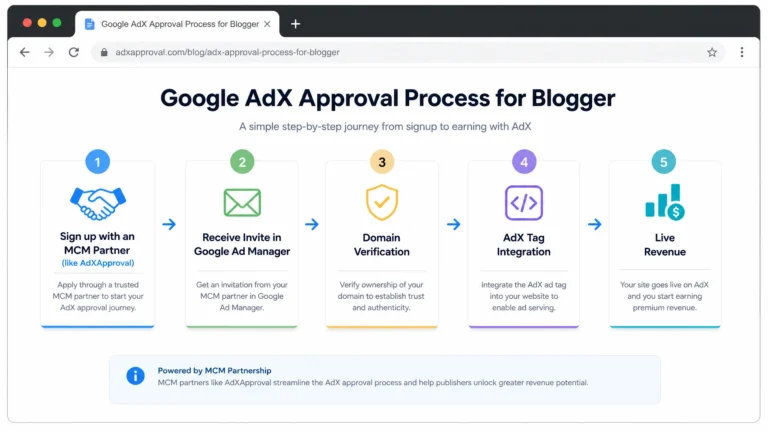
Step-by-Step: Securing Your AdX MA Approval
For publishers aiming for the highest level of control, securing AdX MA approval through an MCM partner involves a structured process. While specific steps might vary slightly between partners, the general flow remains consistent [1].
1.Initial Eligibility Check: Contact an MCM partner and submit your website for an initial review. The partner will assess your traffic, content quality, and adherence to Google’s policies.
2.Partner Approval: If your site meets the partner’s internal criteria, they will approve you for the next stage.
3.Delegation Request: The MCM partner will send an MA delegation request to your Google account, typically via Google Ad Manager.
4.Accept Delegation in GAM: Log into your Google Ad Manager account and accept the delegation request. This links your GAM account with AdX under MA access.
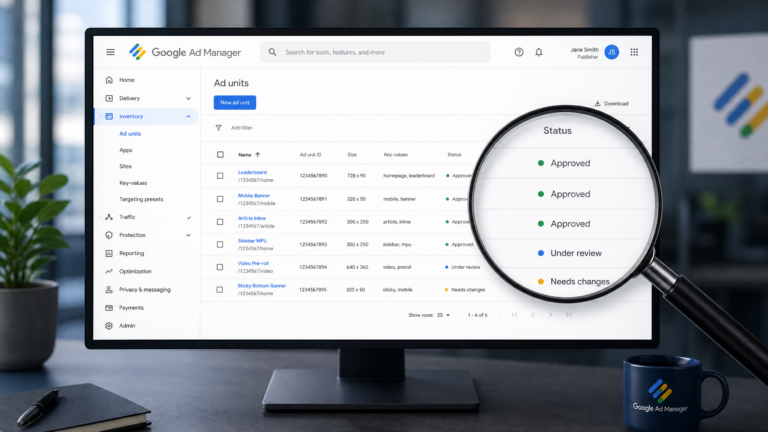
5.Ad Unit Configuration: Work with your partner to create and configure ad units within your Google Ad Manager. This includes setting up pricing rules, inventory segmentation, and ad delivery controls.
6.Start Monetizing: Once everything is set up, your site will begin serving AdX ads, allowing you to access premium demand and receive payments directly from Google.
Optimizing for AdX: Best Practices for Publishers
Meeting the AdX approval requirements is just the first step. To truly maximize revenue with AdX, publishers should adopt several best practices:
•Maintain High Content Quality: Continuously produce original, valuable, and engaging content to keep users coming back and ensure brand safety for advertisers.
•Focus on User Experience (UX): A clean, fast, and mobile-friendly website with intuitive navigation improves ad viewability and overall engagement.
•Monitor Traffic Quality: Implement robust invalid traffic (IVT) detection measures to protect your account from policy violations and maintain advertiser trust. Google provides resources for publishers on ad traffic quality [5].
•Strategic Ad Placement: Optimize ad placements to balance revenue generation with user experience. Avoid intrusive or excessive ads that can lead to high bounce rates.
•Leverage Ad Manager Features: Utilize the advanced features within Google Ad Manager, such as unified pricing rules, audience segmentation, and header bidding, to optimize yield.
•Stay Updated on Policies: Google’s policies are dynamic. Regularly review Google Publisher Policies and Authorized Buyers policies to ensure ongoing compliance [3] [6].
Conclusion: Maximizing Your Ad Revenue Potential
Navigating the AdX approval requirements can seem daunting, but the potential for increased revenue makes it a worthwhile endeavor for growing publishers. By understanding the key criteria, partnering with a reputable MCM provider, and adhering to best practices, you can unlock access to Google’s premium ad exchange. This strategic move allows you to tap into a broader pool of high-paying advertisers, gain greater control over your ad inventory, and ultimately maximize your website’s monetization potential. Embrace the opportunity to elevate your ad strategy and secure a more profitable future.
References
1.How to Get Google AdX MA Approval in 2025 (Step-by-Step Guide for Publishers) – AdPubsValue
2.Pro Tips How to Get Approved for Google AdX in 2025 – Agency 17D
SEO Meta Description: Discover the definitive guide on how to get Google AdX approval 2026. Learn about the latest requirements, MCM partners, and strategies to boost your ad revenue significantly.
Google AdX approval 2026
Introduction: Unlocking Premium Ad Revenue with Google AdX in 2026
In the ever-evolving landscape of digital advertising, publishers are constantly seeking ways to maximize their revenue. For more insights on maximizing your ad revenue, explore our guide on Advanced Ad Monetization Strategies. While Google AdSense serves as a foundational platform for many, the pinnacle of ad monetization often lies with Google Ad Exchange (AdX). If you’re just starting, learn How to Get Google AdSense Approval Fast. For 2026, securing Google AdX approval is more strategic than ever, offering publishers access to premium advertisers, higher eCPM rates, and advanced optimization features. This comprehensive guide will walk you through the essential steps, requirements, and best practices to successfully navigate the AdX approval process in 2026. To understand the basics, read our article on Google AdSense vs. AdX Explained.
What is Google AdX and Why is it Crucial for Publishers in 2026?
Google AdX is a sophisticated, real-time bidding marketplace where premium advertisers compete for your ad inventory. Unlike AdSense, which is more accessible and serves as a baseline, AdX provides a more competitive environment, leading to significantly higher earnings for eligible publishers. In 2026, with increased competition and evolving privacy regulations, having Google AdX approval means:
•Access to Premium Demand: Connect with top-tier advertisers willing to pay more for quality inventory.
•Higher eCPM and Fill Rates: Benefit from real-time bidding dynamics that drive up ad values and ensure more of your ad slots are filled.
•Advanced Controls: Gain granular control over ad blocking, pricing rules, and advertiser categories.
•Brand Safety: Ensure only high-quality, brand-safe ads appear on your site, protecting your reputation.
Direct Google AdX Approval 2026: The Elite Path
Direct Google AdX approval is typically reserved for large publishers with substantial, high-quality traffic and a long-standing, clean record with Google. The requirements are stringent and often involve direct invitations or evaluations by Google. Key factors for direct approval in 2026 include:
•Exceptional Traffic Volume: Websites often need millions of monthly page views (e.g., 5 million or more) to be considered for direct AdX access. This demonstrates a significant audience reach and consistent user engagement.
•Superior Content Quality: Adherence to Google’s E-E-A-T (Experience, Expertise, Authoritativeness, and Trustworthiness) guidelines is paramount. Content must be original, valuable, and free from any policy violations. Google is increasingly scrutinizing content quality, especially in 2026, to combat
the proliferation of “AI spam” and low-value content. Websites must demonstrate genuine value to users.
•Impeccable Policy Compliance: A spotless record with Google AdSense and other Google publisher products is non-negotiable. Any history of policy violations can severely hinder direct AdX approval.
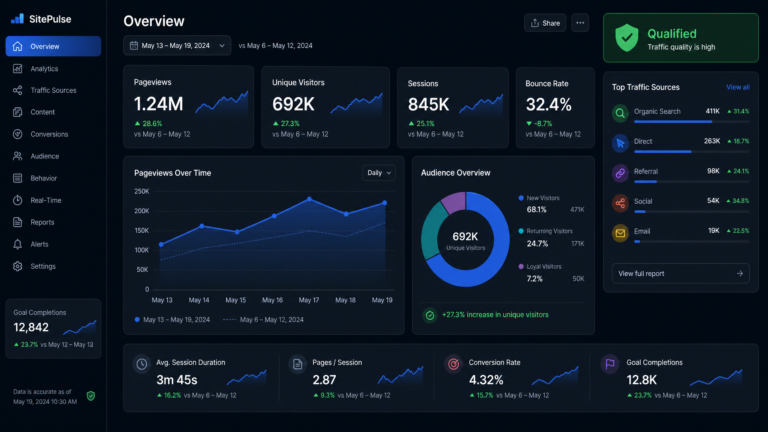
•Strong User Engagement: Metrics such as time on site, bounce rate, and page views per session are crucial indicators of a healthy, engaged audience.
•Brand Safety and Quality Inventory: Publishers must ensure their content is brand-safe and aligns with Google’s stringent quality guidelines, providing a premium environment for advertisers.
The Practical Path: Partnering for Google AdX Approval 2026 via MCM
For the vast majority of publishers, direct Google AdX approval is not the initial route. Instead, the most practical and effective way to gain access to AdX in 2026 is through a Google Multiple Customer Management (MCM) partner. MCM allows authorized third-party partners to manage inventory on behalf of publishers within Google Ad Manager. This partnership model offers significant advantages:
Understanding MCM: Manage Account (MA) vs. Manage Inventory (MI)
Google’s MCM program offers two primary delegation types:
•Manage Account (MA): In this model, the MCM partner gains full access to manage the publisher’s Ad Manager account. The partner handles all aspects of ad operations, including setup, optimization, and reporting. This is often the preferred route for publishers who want to leverage expert knowledge without dedicating internal resources to complex ad management. The partner essentially acts as an extension of the publisher’s team.
•Manage Inventory (MI): With MI, the MCM partner manages only a specific portion of the publisher’s ad inventory. The publisher retains control over their Ad Manager account and can manage other aspects of their ad setup. This option is suitable for publishers who have some internal ad operations capabilities but want to tap into the MCM partner’s AdX demand for specific inventory segments.
Benefits of Partnering with an MCM for Google AdX Approval 2026
Partnering with an MCM can significantly streamline your journey to Google AdX approval and enhanced monetization:
•Access to Premium Demand: MCM partners have established relationships with Google and often aggregate inventory from multiple publishers, giving them access to a wider pool of premium advertisers and higher-paying campaigns that might otherwise be unavailable.
•Expert Optimization: These partners possess deep expertise in ad optimization, yield management, and programmatic advertising. They can implement advanced strategies to maximize your ad revenue, including sophisticated pricing rules, header bidding integrations, and ad layout optimizations.
•Policy Compliance Guidance: Navigating Google’s ever-changing policies can be challenging. MCM partners provide crucial guidance to ensure your website remains compliant, reducing the risk of policy violations and account suspensions.
•Reduced Operational Burden: By outsourcing ad management to an MCM partner, publishers can free up valuable time and resources to focus on content creation and audience growth.
•Faster Approval Process: While not guaranteed, MCM partners can often facilitate a smoother and potentially faster path to AdX access due to their direct communication channels and established trust with Google.
Google AdSense vs. Google AdX: A 2026 Perspective
Understanding the fundamental differences between Google AdSense and Google AdX is crucial for any publisher aiming for optimal monetization in 2026. While AdSense is often the entry point, AdX represents a significant upgrade.
Feature
Google AdSense
Google AdX (Ad Exchange)
Access
Easy to get started for most websites
Invitation-only or via MCM partners; higher entry barriers
Advertisers
Broad network of advertisers
Premium advertisers, often larger brands and agencies
Bidding Model
Auction-based, but less competitive
Real-time bidding (RTB) with higher competition, leading to better prices
eCPM/Revenue
Good for beginners, lower potential
Significantly higher eCPM and revenue potential due to premium demand and RTB
Control
Limited controls over ad types and blocking
Granular control over ad inventory, blocking, pricing, and advertiser categories
High traffic, exceptional content, strong user engagement, strict policy adherence, often via MCM
How to get Google AdX approval 2026
In 2026, AdSense remains an excellent starting point for new publishers. However, once a website establishes consistent traffic and high-quality content, pursuing Google AdX approval through an MCM partner becomes the logical next step to unlock its full earning potential.
Essential Checklist for Google AdX Approval 2026
To successfully secure Google AdX approval in 2026, whether directly or through an MCM partner, your website must meet stringent quality and performance standards. Here’s a comprehensive checklist:
1. Content Quality and E-E-A-T
•Original and Valuable Content: Your website must offer unique, high-quality content that provides genuine value to users. Avoid thin, duplicated, or AI-generated content that lacks human oversight.
•Demonstrate E-E-A-T: Google places a strong emphasis on Experience, Expertise, Authoritativeness, and Trustworthiness. Ensure your content creators are credible, and your website establishes itself as an authority in its niche.
•Regular Updates: Keep your content fresh and up-to-date. Regularly publishing new, relevant articles signals an active and valuable resource.
2. User Experience (UX) and Technical Performance
•Core Web Vitals Optimization: Ensure your website excels in Core Web Vitals (Largest Contentful Paint, First Input Delay, Cumulative Layout Shift). These metrics are critical for user experience and SEO, and indirectly impact AdX eligibility.
•Fast Loading Speed: Optimize images, leverage browser caching, and minimize server response times to ensure a fast and seamless browsing experience.
•Mobile-Friendliness: Your website must be fully responsive and provide an excellent experience on all devices, especially mobile.
•Clear Navigation: Implement intuitive navigation that allows users to easily find what they’re looking for.
3. Traffic and Audience Engagement
•Consistent Organic Traffic: While specific numbers vary, a significant portion of your traffic should come from organic search. This indicates Google’s trust in your website.
•High User Engagement: Monitor metrics like average session duration, bounce rate, and pages per session. Websites with engaged users are more attractive to premium advertisers.
•Diverse Traffic Sources: While organic traffic is key, a healthy mix of traffic from social media, direct visits, and referrals can also be beneficial.
4. Policy Compliance and Brand Safety
•Google Publisher Policies: Thoroughly understand and adhere to all Google Publisher Policies. This includes content policies, ad placement policies, and technical requirements.
•Brand Safety Measures: Implement measures to ensure your content is brand-safe and free from objectionable material. This is crucial for attracting premium advertisers.
•No History of Violations: Maintain a clean record with Google AdSense and Ad Manager. Past policy violations can be a significant hurdle.
5. Website Structure and Transparency
•Clear “About Us” Page: Provide transparent information about your website, its mission, and its creators. This builds trust with both users and Google.
•Comprehensive Privacy Policy: A clear and easily accessible privacy policy is mandatory, outlining how user data is collected and used.
•Contact Information: Make it easy for users to contact you with a dedicated contact page.
•robots.txt and Sitemaps: Ensure your robots.txt file is correctly configured to allow Google bots to crawl important pages, and submit up-to-date sitemaps to Google Search Console.
The Role of First-Party Data in Google AdX Approval 2026
With the impending deprecation of third-party cookies, first-party data strategies will play an increasingly vital role in ad monetization and, by extension, Google AdX approval in 2026. Publishers who can effectively collect, manage, and activate their first-party data will be better positioned to offer valuable audience segments to advertisers, leading to higher bids and increased revenue. Focus on building direct relationships with your audience through logins, newsletters, and interactive content to gather this invaluable data.
Conclusion: Your Path to Premium Ad Monetization
Securing Google AdX approval in 2026 is a testament to a publisher’s commitment to quality, user experience, and policy compliance. While direct approval is challenging, partnering with a reputable MCM provider offers a viable and highly effective pathway to unlock the full potential of premium ad monetization. By focusing on exceptional content, robust technical performance, strong user engagement, and strict adherence to Google’s guidelines, you can position your website for significant growth and revenue in the competitive digital advertising landscape. Start preparing your website today to join the ranks of elite publishers leveraging Google AdX.