Understanding Google AdX Approval Requirements: Your Path to Premium Monetization
Meta Description: Demystify Google AdX approval requirements. Learn about traffic, content, policy compliance, and technical setup needed to qualify for Google Ad Exchange.
URL Slug: google-adx-approval-requirements-guide
Table of Contents
1.Introduction to Google AdX and Its Value
2.The Core Philosophy Behind AdX Requirements
3.Traffic Volume and Quality: The Foundation
4.Content Quality and User Experience Standards
5.Strict Adherence to Google Publisher Policies
6.Technical Implementation and Site Performance
7.The Role of Google Certified Publishing Partners in Meeting Requirements
8.Common Pitfalls and How to Avoid Them
9.Conclusion and Next Steps
1. Introduction to Google AdX and Its Value
Google AdX, or Google Ad Exchange, represents a sophisticated marketplace for programmatic advertising, offering publishers a significant upgrade from standard ad networks like AdSense. It provides access to a broader range of advertisers, including major brands and agencies, leading to increased competition for ad impressions and, consequently, higher revenue. Understanding the stringent Google AdX approval requirements is the first critical step for publishers aiming to tap into this premium demand.
This platform is designed for publishers with substantial, high-quality traffic and a professional approach to ad operations. Unlike AdSense, which is accessible to almost any website meeting basic policy guidelines, AdX demands a higher standard across various metrics. Meeting these Google AdX approval requirements is not merely about gaining access; it’s about positioning your website as a valuable inventory source in the competitive digital advertising ecosystem.
2. The Core Philosophy Behind AdX Requirements
The stringent Google AdX approval requirements are rooted in Google’s commitment to maintaining a high-quality, transparent, and fair advertising environment for both advertisers and publishers. Google aims to protect its advertisers from low-quality inventory and ensure that publishers who join AdX can genuinely deliver value. This philosophy translates into a comprehensive set of criteria that evaluate a website’s traffic, content, user experience, and technical integrity.
Publishers seeking AdX approval must demonstrate a consistent dedication to creating valuable content and fostering a positive user environment. The requirements are designed to filter out websites that might engage in questionable practices or offer subpar experiences, thereby preserving the integrity and effectiveness of the Ad Exchange. By understanding this underlying philosophy, publishers can better align their strategies to meet and exceed the necessary Google AdX approval requirements.
3. Traffic Volume and Quality: The Foundation
One of the most significant Google AdX approval requirements revolves around traffic volume and, more importantly, traffic quality. While Google does not publicly disclose exact figures, it is widely understood that publishers typically need millions of legitimate pageviews per month to be considered. This traffic must be organic, genuine, and originate from reputable sources, primarily from Tier 1 countries (e.g., USA, Canada, UK, Australia).
Google employs sophisticated algorithms and manual reviews to detect and prevent invalid traffic (IVT), which includes bot traffic, accidental clicks, or any non-human interactions. Websites with a history of suspicious traffic patterns or low-quality traffic sources will likely face rejection. Therefore, publishers must focus on sustainable audience growth strategies, ensuring that their traffic is both substantial and of the highest quality to satisfy this crucial aspect of the Google AdX approval requirements.
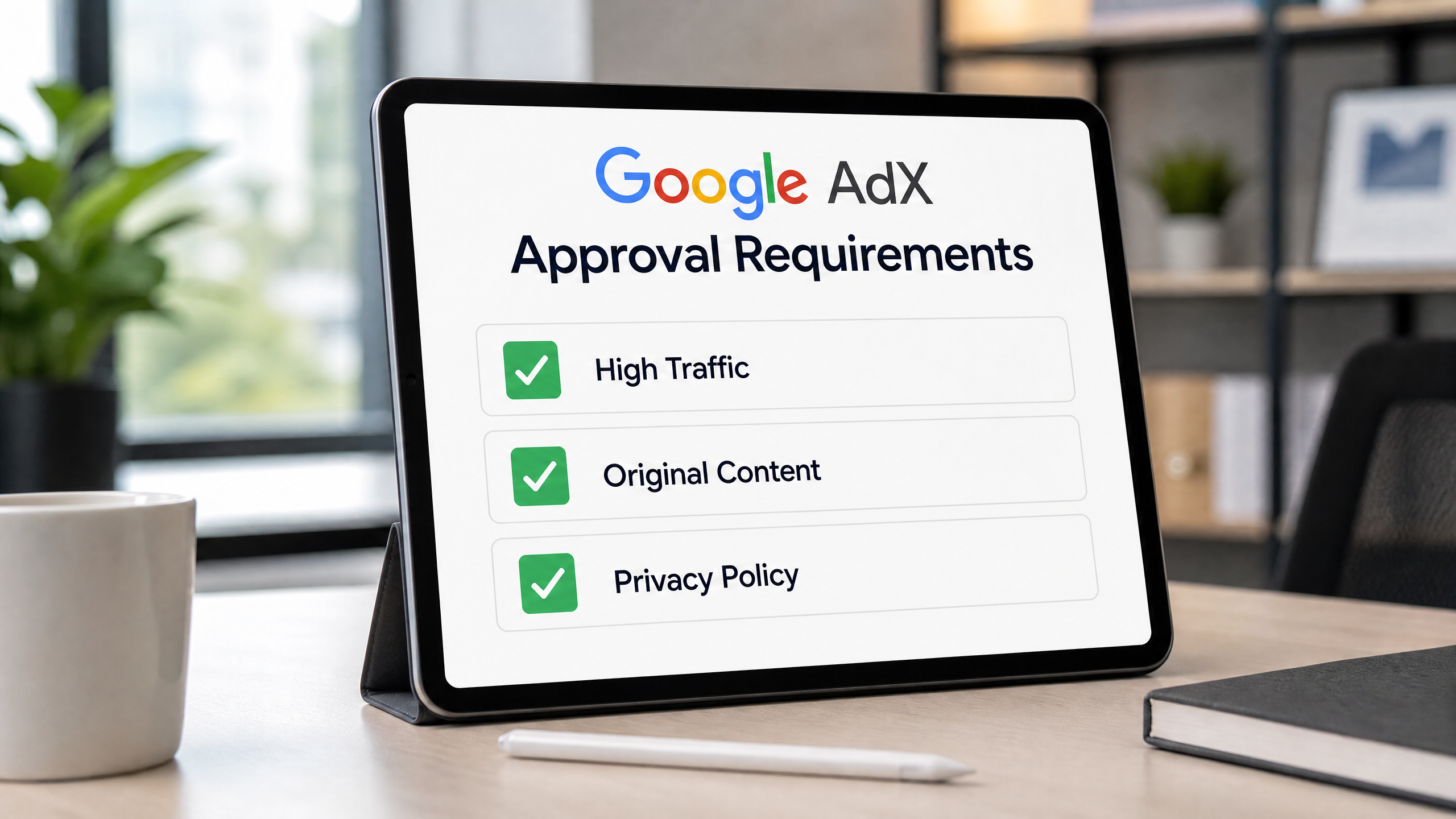
A digital tablet displaying a checklist of Google AdX Approval Requirements, highlighting key criteria.
4. Content Quality and User Experience Standards
Beyond traffic, the quality of your website’s content and the overall user experience are paramount Google AdX approval requirements. Your site must offer original, valuable, and engaging content that provides a clear benefit to your audience. Duplicate content, scraped material, or content that violates Google’s publisher policies (e.g., hate speech, illegal activities, adult content) will lead to immediate rejection.
A superior user experience (UX) is also non-negotiable. This includes a clean, intuitive website design, fast page loading times, and full mobile responsiveness. Websites should be easy to navigate, with clear calls to action and minimal intrusive elements. A positive UX not only encourages user engagement but also signals to Google that your site is professionally managed and prioritizes its audience, thereby fulfilling another vital aspect of the Google AdX approval requirements.
5. Strict Adherence to Google Publisher Policies
Compliance with Google’s comprehensive set of publisher policies is a fundamental and non-negotiable Google AdX approval requirement. These policies cover a wide range of areas, including content restrictions, ad placement guidelines, and traffic quality standards. Publishers must ensure that their website does not host prohibited content, such as illegal activities, sexually explicit material, or content that promotes discrimination.
Ad placement policies dictate how ads can be displayed, prohibiting misleading ad implementations, excessive ad density, or placing ads in a way that encourages accidental clicks. Furthermore, strict adherence to privacy regulations like GDPR and CCPA is mandatory, requiring a clear and accessible privacy policy that informs users about data collection and usage. Any deviation from these policies can result in immediate disapproval or even account termination, making diligent compliance essential for meeting Google AdX approval requirements.
6. Technical Implementation and Site Performance
The technical foundation of your website plays a significant role in meeting Google AdX approval requirements. This includes the proper implementation of ad tags, ensuring they are correctly configured and loaded efficiently. Google AdX relies on sophisticated ad serving technologies, and any technical glitches can hinder ad delivery and performance, negatively impacting your approval chances.
Website performance, including page load speed and overall site stability, is also crucial. A slow or unstable website detracts from the user experience and can lead to lower ad viewability and engagement. Publishers should regularly audit their site for technical errors, broken links, and ensure that their server infrastructure can handle high traffic volumes. A technically sound website demonstrates professionalism and readiness for the demands of the Ad Exchange, satisfying another key aspect of the Google AdX approval requirements.
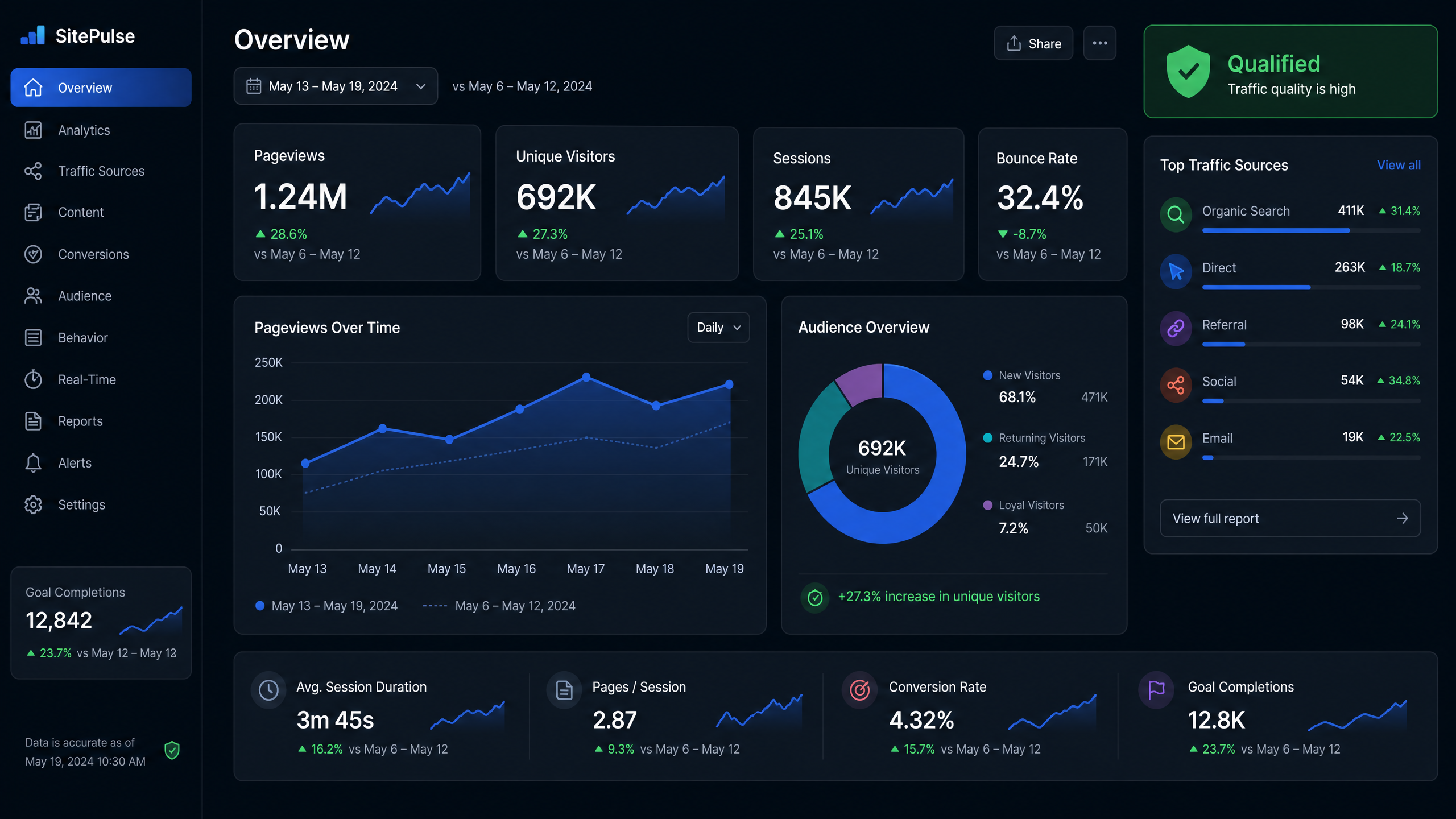
A data visualization dashboard illustrating high website traffic metrics, essential for Google AdX approval.
7. The Role of Google Certified Publishing Partners in Meeting Requirements
For many publishers, navigating the complex landscape of Google AdX approval requirements can be challenging. This is where Google Certified Publishing Partners (GCPPs) become invaluable. These partners are recognized by Google for their expertise in ad monetization and their ability to help publishers meet the stringent criteria for AdX. They often have direct channels to Google and a deep understanding of the latest policies and technical specifications.
A GCPP can provide an initial assessment of your website, identify areas that need improvement, and guide you through the optimization process. They can assist with technical setup, policy compliance, and even help in appealing rejections. Leveraging the expertise of a GCPP can significantly increase your chances of successful AdX approval, allowing you to benefit from premium monetization without having to become an expert in all the intricate Google AdX approval requirements yourself.
8. Common Pitfalls and How to Avoid Them
Publishers often encounter several common pitfalls when attempting to meet Google AdX approval requirements. One frequent issue is underestimating the importance of traffic quality, focusing solely on volume. Another is neglecting policy compliance, assuming that general good practices are sufficient. Over-optimizing for ads, leading to a poor user experience, can also be a significant setback.
To avoid these issues, publishers should conduct a thorough self-assessment against all Google Publisher Policies before applying. Invest in organic traffic growth and ensure your analytics accurately reflect genuine user engagement. Prioritize user experience over aggressive ad placements. If in doubt, seek guidance from a GCPP. Proactive preparation and a clear understanding of all Google AdX approval requirements will pave the way for a smoother approval process.
9. Conclusion and Next Steps
Meeting Google AdX approval requirements is a rigorous but rewarding endeavor for publishers seeking to maximize their ad revenue. It demands a commitment to high-quality content, genuine traffic, excellent user experience, and strict policy compliance. While the bar is high, the benefits of accessing premium demand and advanced monetization tools are substantial.
Begin your journey by meticulously reviewing your website against each requirement. Focus on creating value for your users and maintaining a clean, policy-compliant site. Consider partnering with a Google Certified Publishing Partner for expert assistance. By diligently addressing these requirements, you can unlock the full potential of Google AdX and elevate your monetization strategy. Start optimizing your site today to meet the Google AdX approval requirements and secure your place in the premium ad marketplace!
YouTube Video: Free AdX MA Approval on Fresh Website 2026

GitHub Resources
For publishers and developers working with Google Ad Manager and AdX, understanding the technical aspects of ad serving is crucial. The Google Publisher Tag (GPT ) samples on GitHub offer practical examples for implementing and optimizing ad tags, which is an integral part of meeting technical requirements.
•Google Publisher Tag Samples: https://github.com/googleads/google-publisher-tag-samples
References
Internal Link: To further enhance your website’s performance and user experience, explore our detailed guide on Website Development Best Practices for SEO and Monetization.