7 Ultimate Strategies for Publisher Monetization Success in 2026
Introduction: Mastering Your Publisher Monetization Strategy
In the ever-evolving digital landscape, a robust Publisher Monetization Strategy is not just an advantage—it’s a necessity for survival and growth. Publishers today face increasing challenges, from ad-blocker proliferation to the deprecation of third-party cookies, making it crucial to diversify revenue streams and optimize existing ones. This comprehensive guide will delve into seven ultimate strategies that digital publishers can leverage to achieve significant monetization success in 2026 and beyond. We will explore advanced advertising techniques, audience engagement models, and data-driven approaches to ensure your content generates maximum value.
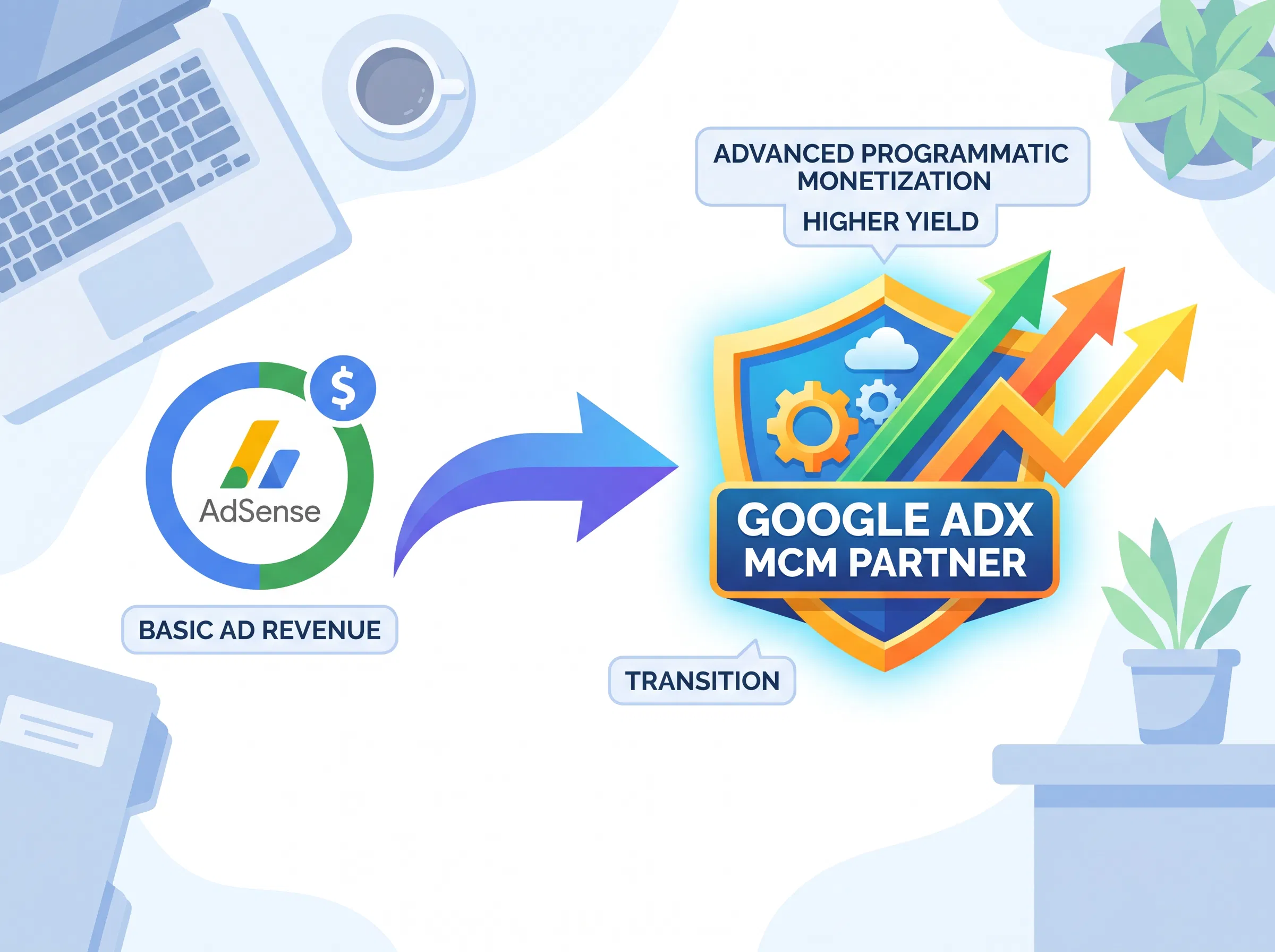
Table of Contents
1.The Evolution of Publisher Monetization Strategy
2.Advanced Programmatic Advertising: Beyond AdSense
3.Diversifying Revenue with Direct Deals and Premium Partnerships
4.Leveraging First-Party Data for Enhanced Publisher Monetization
5.Subscription Models and Paywalls: Building Recurring Revenue
6.Content Diversification: Video, Audio, and Native Formats
7.Optimizing Yield and User Experience for Sustainable Growth
8.Conclusion: Crafting Your Winning Publisher Monetization Strategy
1. The Evolution of Publisher Monetization Strategy
The journey of digital publishing monetization has seen significant shifts, moving from simple display ads to complex programmatic ecosystems. Initially, many publishers relied heavily on platforms like Google AdSense for basic ad revenue. While effective for entry-level monetization, the limitations in control, CPMs, and demand sources often cap potential earnings. The modern Publisher Monetization Strategy demands a more sophisticated approach, integrating multiple demand sources and optimizing ad delivery for higher returns.
2. Advanced Programmatic Advertising: Beyond AdSense
For publishers aiming to elevate their revenue, transitioning from basic AdSense to advanced programmatic solutions like Google AdX through a Multiple Customer Management (MCM) partnership is a critical step. An MCM partner, such as AdXApproval, provides direct access to premium AdX demand, offering higher CPMs and greater control over ad inventory. This shift allows publishers to tap into a wider pool of advertisers and more competitive bidding environments, significantly boosting their ad revenue.
<img src=”/home/ubuntu/mcm_transition.png” alt=”Transition from AdSense to Google AdX MCM Partner for Publisher Monetization Strategy”>
Key benefits of advanced programmatic for Publisher Monetization Strategy:
•Higher CPMs: Access to premium advertisers willing to pay more for quality inventory.
•Increased Fill Rates: Broader demand sources ensure more ad impressions are filled.
•Enhanced Control: Greater transparency and control over ad placements and pricing.
•Yield Optimization: Dynamic floor pricing and header bidding integration tailored to specific traffic profiles .
To explore how an MCM partnership can transform your Publisher Monetization Strategy, consider a revenue audit from AdXApproval. This can provide insights into your current ad stack and identify opportunities for optimization.
3. Diversifying Revenue with Direct Deals and Premium Partnerships
While programmatic advertising forms the backbone of many monetization strategies, direct deals and private marketplace (PMP) agreements offer a powerful way to secure premium revenue. These partnerships involve negotiating directly with advertisers for guaranteed ad placements at predetermined prices, often for high-impact units or specific audience segments. This approach provides a stable and predictable revenue stream, complementing the dynamic nature of programmatic sales.
Advantages of Direct Deals in a Publisher Monetization Strategy:
•Premium Rates: Advertisers often pay higher rates for direct access to desirable audiences.
•Brand Safety: Greater control over the brands and creatives displayed on your site.
•Customization: Ability to offer bespoke ad solutions and integrations.
•Long-Term Relationships: Fosters stronger, more sustainable partnerships with advertisers.
For publishers looking to maximize their ad revenue, combining robust programmatic setups with strategic direct deals is an effective Publisher Monetization Strategy. Learn more about AdXApproval’s AdX monetization services to see how they can help secure premium demand.
4. Leveraging First-Party Data for Enhanced Publisher Monetization
With the impending demise of third-party cookies, first-party data has become an invaluable asset for publishers. Collecting and utilizing data directly from your audience—through registrations, newsletters, and on-site behavior—allows for more precise audience segmentation and targeted advertising. This not only improves ad relevance for users but also increases the value of your inventory for advertisers, leading to higher CPMs and better overall monetization.
Strategies for First-Party Data Collection:
•User Registrations: Encourage users to create accounts for exclusive content or features.
•Email Newsletters: Build a subscriber base for direct communication and targeted promotions.
•Surveys and Polls: Gather explicit audience preferences and demographics.
•Content Personalization: Use on-site behavior to deliver tailored content experiences.
Implementing a strong first-party data strategy is crucial for any forward-thinking Publisher Monetization Strategy, ensuring continued relevance and profitability in a privacy-first world.
5. Subscription Models and Paywalls: Building Recurring Revenue
Beyond advertising, subscription models and paywalls represent a significant opportunity for recurring revenue. By offering premium content, exclusive features, or an ad-free experience, publishers can convert loyal readers into paying subscribers. This approach diversifies income streams and reduces reliance on volatile ad markets. Successful implementation often involves a
freemium model, where some content is free to attract a broad audience, while premium content is reserved for subscribers .
Types of Subscription Models:
•Hard Paywall: All content requires a subscription.
•Soft Paywall: A limited number of free articles before a subscription is required.
•Freemium: Basic content is free, premium features or content require payment.
•Donation/Membership: Voluntary contributions from loyal readers.
A well-executed subscription model can significantly strengthen a Publisher Monetization Strategy, providing a stable and predictable income stream.
6. Content Diversification: Video, Audio, and Native Formats
Engaging audiences across various content formats is another powerful component of a modern Publisher Monetization Strategy. Video content, podcasts, and native advertising offer new avenues for monetization and audience engagement. Video, in particular, commands higher CPMs and can be monetized through pre-roll, mid-roll, and post-roll ads, as well as sponsored content. Podcasts offer a growing platform for audio ads and sponsorships, reaching audiences in new ways.
Native advertising, which blends seamlessly with editorial content, provides a less intrusive ad experience and often achieves higher engagement rates. By diversifying content formats, publishers can attract new audiences, increase time on site, and create more valuable inventory for advertisers.
Benefits of Content Diversification:
•Increased Engagement: Different formats appeal to diverse audience preferences.
•Higher CPMs: Video and native ads often command premium rates.
•New Revenue Streams: Sponsorships, branded content, and direct ad sales for new formats.
•Improved User Experience: Less intrusive advertising when integrated thoughtfully.
7. Optimizing Yield and User Experience for Sustainable Growth
Effective yield optimization is about maximizing revenue from every ad impression while maintaining a positive user experience. This involves a continuous process of testing, analyzing, and adjusting ad placements, formats, and demand partners. Strategies like dynamic floor pricing, A/B testing ad layouts, and implementing header bidding solutions are crucial for achieving optimal yield. However, it’s equally important to ensure that monetization efforts do not detract from the user experience, as this can lead to ad-blocker adoption and decreased engagement.

Key aspects of Yield Optimization:
•Dynamic Floor Pricing: Adjusting minimum bid prices in real-time based on demand and inventory value.
•Header Bidding: Allowing multiple ad exchanges to bid simultaneously, increasing competition and CPMs .
•Ad Refresh: Strategically refreshing ad units to generate new impressions without new page loads.
•Ad Layout Testing: Experimenting with ad positions, sizes, and formats to find the optimal balance between revenue and user experience.
Balancing aggressive monetization with a superior user experience is the hallmark of a successful Publisher Monetization Strategy. Continuous monitoring and adaptation are key to long-term performance.
Conclusion: Crafting Your Winning Publisher Monetization Strategy
Developing a winning Publisher Monetization Strategy in today’s dynamic digital landscape requires a multi-faceted approach. By moving beyond traditional AdSense to advanced programmatic solutions like Google AdX via MCM partners, diversifying with direct deals, leveraging first-party data, exploring subscription models, and embracing content diversification, publishers can build resilient and highly profitable businesses. Continuous optimization of yield, coupled with a strong focus on user experience, will ensure sustainable growth and success. Embrace these strategies to unlock the full potential of your digital assets and secure your position in the competitive publishing world.