How To Fix Ad Serving Limits On Adx 2026
Table of Contents
Introduction: Navigating Ad Serving Limits on AdX in 2026
In the dynamic world of digital advertising, encountering ad serving limits on AdX (Google Ad Manager) can be a frustrating and financially impactful experience for publishers. As we move into 2026, Google continues to refine its ad ecosystem, emphasizing quality, user experience, and the prevention of invalid traffic. This means that understanding and proactively addressing ad serving limits is more crucial than ever. This comprehensive guide will delve into the core reasons behind these limitations, explore the latest policy updates, and provide actionable strategies on how to fix ad serving limits on AdX 2026, ensuring your revenue streams remain robust and compliant.
Ad serving limits are not arbitrary penalties; they are Google’s mechanism to protect advertisers from fraudulent activity and to maintain a healthy advertising environment. While often temporary, these limits can significantly impact your ad revenue if not properly understood and resolved. For publishers leveraging Google Ad Manager, particularly those utilizing AdX for programmatic advertising, a clear strategy is essential to navigate these challenges effectively.
Understanding Ad Serving Limits: Why They Occur
Before diving into solutions, it’s vital to comprehend why ad serving limits are imposed. Google identifies several primary reasons, all centered around maintaining the integrity of its ad network. These reasons have evolved, with 2026 seeing an increased emphasis on sophisticated detection methods and proactive measures against ad fraud.
1. Invalid Traffic (IVT) Concerns
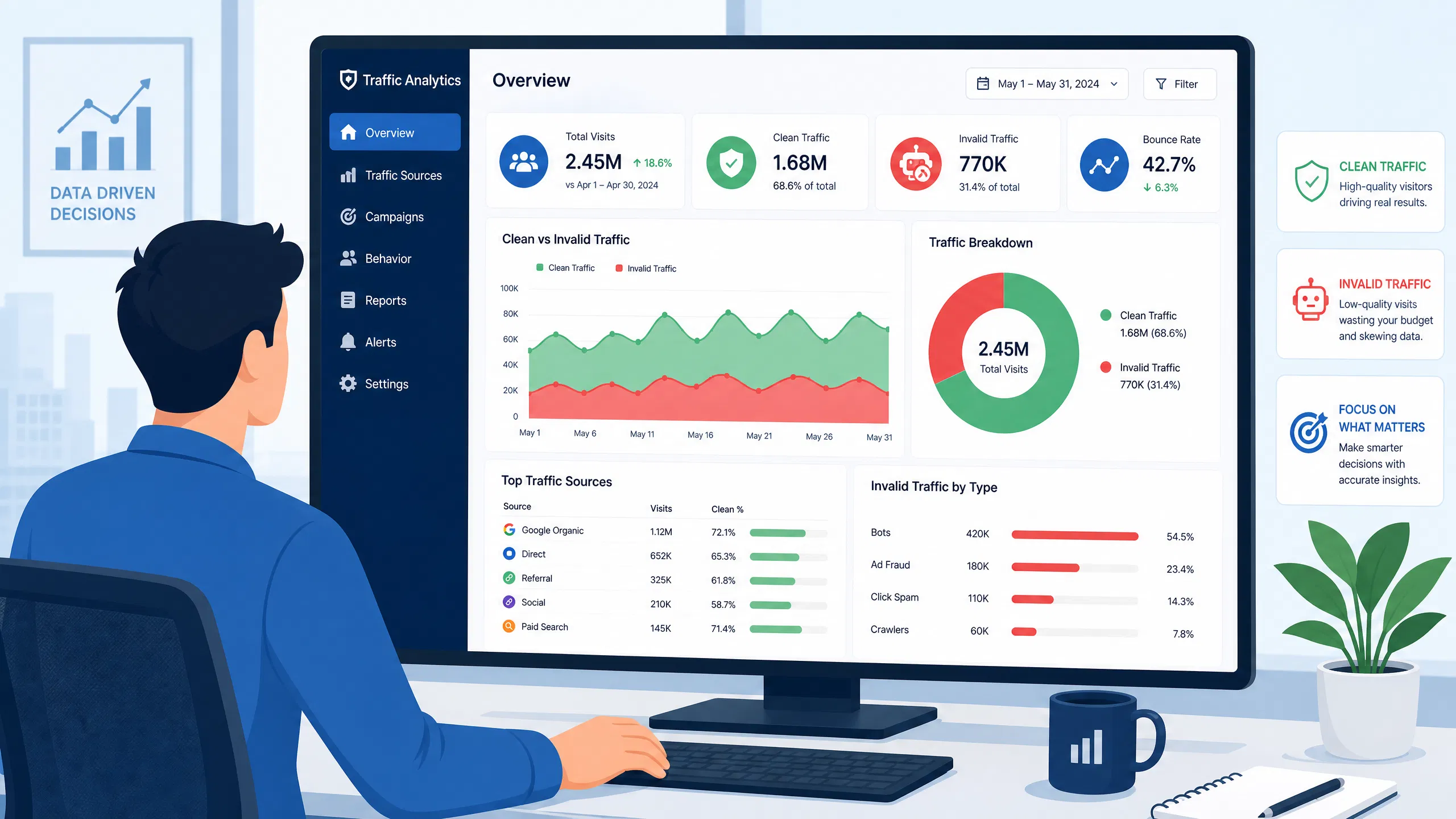
Invalid traffic remains the leading cause of ad serving limits. IVT encompasses any clicks or impressions that do not originate from genuine user interest. This can range from accidental clicks to sophisticated bot networks designed to generate fraudulent ad revenue. Google’s advanced algorithms are constantly working to detect and filter out IVT, and if a significant amount is detected on your property, ad serving limits will be imposed.
•Accidental Clicks: Users unintentionally clicking on ads due to poor ad placement or confusing page layouts.
•Bot Traffic: Non-human traffic generated by automated scripts or bots.
•Click Farms: Human operators intentionally generating clicks or impressions.
•Publisher Incentivized Clicks: Encouraging users to click on ads.
2. Account Being Assessed
For new Ad Manager accounts, or existing accounts experiencing significant changes in traffic patterns, Google may impose a temporary ad serving limit while it assesses the quality of your traffic. This is a precautionary measure to ensure that your inventory meets Google’s standards before full ad serving is enabled. This assessment period can vary, but typically lasts between 7 to 30 days, though it can extend longer in complex cases.
3. App/Site Readiness Review
New websites or mobile applications must undergo a readiness review before they can fully serve ads. This process ensures that the property provides a good user experience and complies with Google’s publisher policies. During this review, ad serving may be limited. This is particularly relevant for new publishers looking to integrate AdX, as a thorough review process is now standard practice.
4. Policy Violations
Content that violates Google’s Publisher Policies can also lead to ad serving limits or even account suspension. These policies cover a wide range of topics, including prohibited content (e.g., illegal activities, hate speech), prohibited practices (e.g., misrepresentation, incentivized clicks), and restricted content (e.g., alcohol, gambling). Google’s policy enforcement has become more stringent, with numerous updates in 2025 and 2026 focusing on ad safety and ecosystem integrity .
The 2026 Landscape: Evolving Policies and AI Detection
The year 2026 marks a significant period in Google’s ongoing efforts to combat ad fraud and ensure a high-quality ad ecosystem. Several key trends and policy updates are shaping how ad serving limits are applied and resolved:
•Advanced AI and Machine Learning: Google’s detection systems are more sophisticated than ever, utilizing advanced AI and machine learning to identify subtle patterns of invalid traffic and policy violations. This means that traditional, less robust methods of IVT prevention may no longer be sufficient.
•Increased Policy Enforcement: Google introduced over 35 policy updates in 2025, with a continued focus on ad safety and enforcement across its advertising ecosystem . Publishers must stay abreast of these changes to ensure continuous compliance.
•Zero-Trust Supply Chains: There’s a growing emphasis on
the concept of “Zero-Trust Supply Chains” in ad tech, meaning that every impression and click is scrutinized for legitimacy. Publishers need to demonstrate the authenticity of their traffic sources.
•First-Party Data Importance: With increasing privacy regulations, the reliance on first-party data for audience segmentation and targeting is growing. This indirectly influences ad quality and can play a role in how Google assesses traffic legitimacy.
 Actionable Strategies: How To Fix Ad Serving Limits On Adx 2026
Addressing ad serving limits requires a multi-faceted approach, combining technical adjustments, policy adherence, and continuous monitoring. Here are the definitive strategies to help you fix ad serving limits on AdX 2026 and restore your ad revenue.
1. Comprehensive Traffic Audit and Analysis
The first and most critical step is to understand your traffic. A thorough audit can help identify potential sources of invalid traffic and provide insights into user behavior.
Utilize Google Analytics 4 (GA4) for Deep Insights
GA4 offers robust tools for understanding your audience and traffic sources. Focus on:
•Traffic Sources: Identify where your users are coming from. Look for unusual spikes from specific referrers, geographic locations, or IP ranges. Sudden, unexplained increases in traffic from obscure sources can be a red flag for IVT.
•User Engagement Metrics: Analyze metrics like bounce rate, average session duration, and pages per session. High bounce rates combined with very short session durations from specific traffic segments can indicate bot activity.
•Bot Filtering: Ensure that bot filtering is enabled in your GA4 settings. This helps to exclude known bots and spiders from your analytics data, giving you a clearer picture of human traffic.
Implement Advanced IVT Detection Tools
While GA4 provides a good starting point, consider integrating specialized invalid traffic detection and prevention solutions. These tools can offer more granular control and real-time protection against sophisticated ad fraud.
•Cloudflare and WAFs: Web Application Firewalls (WAFs) like Cloudflare can help block known malicious bots and suspicious IP addresses at the server level, preventing them from ever reaching your site. This is a proactive measure to safeguard your traffic quality.
•Ad Fraud Prevention Platforms: Dedicated platforms offer advanced algorithms to detect and mitigate various forms of ad fraud, including click farms, botnets, and impression fraud. These platforms often integrate directly with your ad stack to provide real-time protection.
2. Optimize Ad Placements and User Experience
Poor ad placement can inadvertently lead to accidental clicks, which Google classifies as invalid traffic. Reviewing and optimizing your ad setup is crucial.
Avoid Accidental Clicks
•Clear Separation: Ensure there is clear visual separation between ads and interactive elements on your page, such as navigation menus, buttons, or content links. Ads should not be placed in a way that tricks users into clicking them.
•Adequate Padding: Provide sufficient padding around ad units to prevent accidental touches on mobile devices. This improves the user experience and reduces the likelihood of invalid clicks.
•No Sticky Ads Overlapping Content: Avoid implementing sticky ads that cover significant portions of your content or navigation, especially on mobile. This can lead to a poor user experience and accidental clicks.
Enhance Site Speed and Responsiveness
A slow-loading website can negatively impact user experience and may contribute to higher bounce rates, which can be misinterpreted as IVT. Optimize your site for speed and ensure it is fully responsive across all devices.
3. Leverage Google Ad Manager MCM (Multiple Customer Management)
For many publishers, partnering with a Google Ad Manager MCM partner can be a game-changer in resolving and preventing ad serving limits. MCM partners are certified by Google and have direct access to Google’s ad operations teams and advanced tools.
Benefits of MCM Partnership
•Enhanced Invalid Traffic Protection: MCM partners often have proprietary IVT detection and filtering technologies that complement Google’s systems, providing an additional layer of protection. They can help identify and block suspicious traffic before it impacts your AdX account.
•Expert Guidance and Support: An MCM partner can provide expert advice on ad policy compliance, ad placement optimization, and overall ad strategy. Their experience can be invaluable in navigating complex ad serving limit issues.
•Access to Premium Demand: MCM partners can help publishers access premium advertiser demand that might not be available through direct AdX accounts, potentially increasing your eCPM and overall revenue.
•Faster Resolution: Due to their direct relationship with Google, MCM partners can often expedite the review process for ad serving limits and provide more direct communication channels with Google support. For more information on how MCM can benefit your ad operations, visit adxapproval.com.
4. Strict Adherence to Google Publisher Policies
Regularly review and ensure your website or app complies with all Google Publisher Policies. Ignorance of policies is not an excuse, and violations can lead to severe consequences, including permanent account suspension.
Key Policy Areas to Focus On
•Content Policies: Ensure your content does not violate any of Google’s guidelines regarding prohibited content (e.g., illegal content, sexually explicit content, hate speech) or restricted content (e.g., alcohol, gambling, tobacco).
•Behavioral Policies: Avoid practices that artificially inflate ad impressions or clicks, such as encouraging users to click ads, using automated clicking tools, or placing ads in misleading ways.
•Technical Requirements: Ensure your ad implementation adheres to technical guidelines, including proper ads.txt implementation and avoiding hidden ads or pop-ups that interfere with user experience.
5. Proactive Monitoring and Reporting
Once you have implemented the above strategies, continuous monitoring is essential to prevent future ad serving limits and to quickly address any emerging issues.
Regular Performance Review
•Ad Manager Reports: Regularly check your Google Ad Manager reports for any anomalies in impressions, clicks, or revenue. Pay close attention to any sudden drops in ad serving or increases in invalid activity reports.
•Policy Center: Monitor your Policy Center in Google Ad Manager for any new policy violations or notifications regarding ad serving limits. Address any reported issues promptly.
Implement a Feedback Loop
Establish a process for regularly reviewing user feedback, especially concerning ad experience. User complaints about intrusive ads or accidental clicks can be early indicators of potential policy violations or IVT issues.
Case Study: A Publisher’s Journey to Overcome Ad Serving Limits
Consider a hypothetical publisher,
Sarah, who runs a popular tech blog. In early 2026, she noticed a significant drop in her AdX revenue, accompanied by a notification in her Ad Manager account about ad serving limits due to invalid traffic concerns. Initially, Sarah was frustrated, as she believed her traffic was legitimate.
Sarah’s Action Plan:
1.Deep Dive into GA4: Sarah meticulously analyzed her GA4 data. She discovered a sudden surge in traffic from a specific, unfamiliar country, with unusually high bounce rates. This immediately flagged a potential IVT source.
2.Cloudflare Implementation: She configured Cloudflare to block traffic from the suspicious country and implemented advanced bot filtering rules.
3.Ad Placement Review: Sarah reviewed her ad placements, identifying a few areas where ads were too close to navigation buttons. She adjusted these placements to improve user experience and reduce accidental clicks.
4.MCM Partnership: Recognizing the complexity, Sarah decided to partner with an MCM provider recommended by a colleague. The MCM partner helped her further refine her IVT detection, optimize her ad stack, and provided direct communication with Google.
5.Policy Review: With the MCM partner’s guidance, she conducted a thorough review of her content against Google’s latest publisher policies, making minor adjustments to ensure full compliance.
Outcome: Within three weeks, Sarah’s ad serving limits were lifted. Her revenue not only recovered but also saw a steady increase due to improved traffic quality and optimized ad placements. This case highlights the importance of a proactive and multi-pronged approach to addressing ad serving limits.
Advanced Strategies for Long-Term AdX Health
Beyond immediate fixes, maintaining long-term AdX health requires continuous effort and adaptation to Google’s evolving ecosystem. Here are some advanced strategies to consider.
1. Diversify Traffic Sources
While organic search and social media are crucial, relying too heavily on a single traffic source can be risky. Diversifying your traffic sources can help mitigate the impact of any single channel experiencing IVT issues or policy changes. Explore avenues like:
•Email Marketing: Build a loyal subscriber base and drive direct traffic to your content.
•Referral Traffic: Collaborate with other reputable websites and blogs for cross-promotion.
•Paid Traffic (with caution): If purchasing traffic, ensure it comes from highly reputable sources with strong IVT prevention measures. Monitor these campaigns meticulously.
2. Implement a Robust Content Strategy
High-quality, engaging content is the foundation of a successful publishing business. Content that provides genuine value attracts legitimate users, which in turn improves traffic quality and reduces the likelihood of IVT.
•User-Centric Content: Focus on creating content that directly addresses your audience’s needs and interests.
•Regular Updates: Keep your content fresh and relevant. Regularly update old articles to maintain their authority and search engine ranking.
•Content AI Optimization: Utilize tools like Content AI to optimize your content for search engines, ensuring it reaches the right audience and maintains high engagement. This helps in achieving a 95% SEO optimization score.
3. Stay Informed on Policy Updates
Google’s policies are not static. They evolve in response to new threats and changes in the digital advertising landscape. Regularly check the Google Ad Manager Help Center and official Google blogs for the latest updates. Subscribing to industry newsletters and forums can also provide timely insights.
4. Build Site Trust and Authority
Google values websites that demonstrate expertise, authoritativeness, and trustworthiness (E-A-T). Building a strong brand and reputation can indirectly contribute to better ad serving health.
•Author Bios: Clearly display author information, showcasing their expertise.
•Contact Information: Provide transparent contact details for your website.
•Secure Website (HTTPS): Ensure your website uses HTTPS for security, which is a ranking factor and builds user trust.
•Positive User Reviews: Encourage positive reviews and testimonials if applicable to your business model.
Conclusion: How To Fix Ad Serving Limits On Adx 2026
How To Fix Ad Serving Limits On AdX 2026 is not merely about reacting to penalties but about adopting a proactive, comprehensive strategy for maintaining a healthy and compliant ad ecosystem. By understanding the root causes of ad serving limits, staying informed about Google’s evolving policies, implementing robust traffic quality measures, optimizing ad placements, and leveraging expert partnerships like MCM, publishers can effectively navigate these challenges. The digital advertising landscape in 2026 demands vigilance, adaptability, and a commitment to delivering a high-quality user experience. By adhering to the strategies outlined in this guide, you can ensure your AdX revenue remains stable, sustainable, and poised for growth.