7 Proven Steps to Ultimate AdX Approval Without Traffic in 2026
Table of Contents
The Ultimate Guide to AdX Approval Without Traffic
For many website publishers, the dream of maximizing ad revenue often leads to Google Ad Exchange (AdX). While Google AdSense serves as an excellent starting point for smaller websites, AdX offers a premium platform with higher-paying advertisers and advanced programmatic capabilities. The common misconception is that AdX approval without traffic is impossible, requiring millions of monthly pageviews. However, this is not entirely true. This comprehensive guide will reveal the proven strategies to secure AdX approval, even if your website doesn’t boast massive traffic volumes.
Understanding Google AdX and Its Advantages
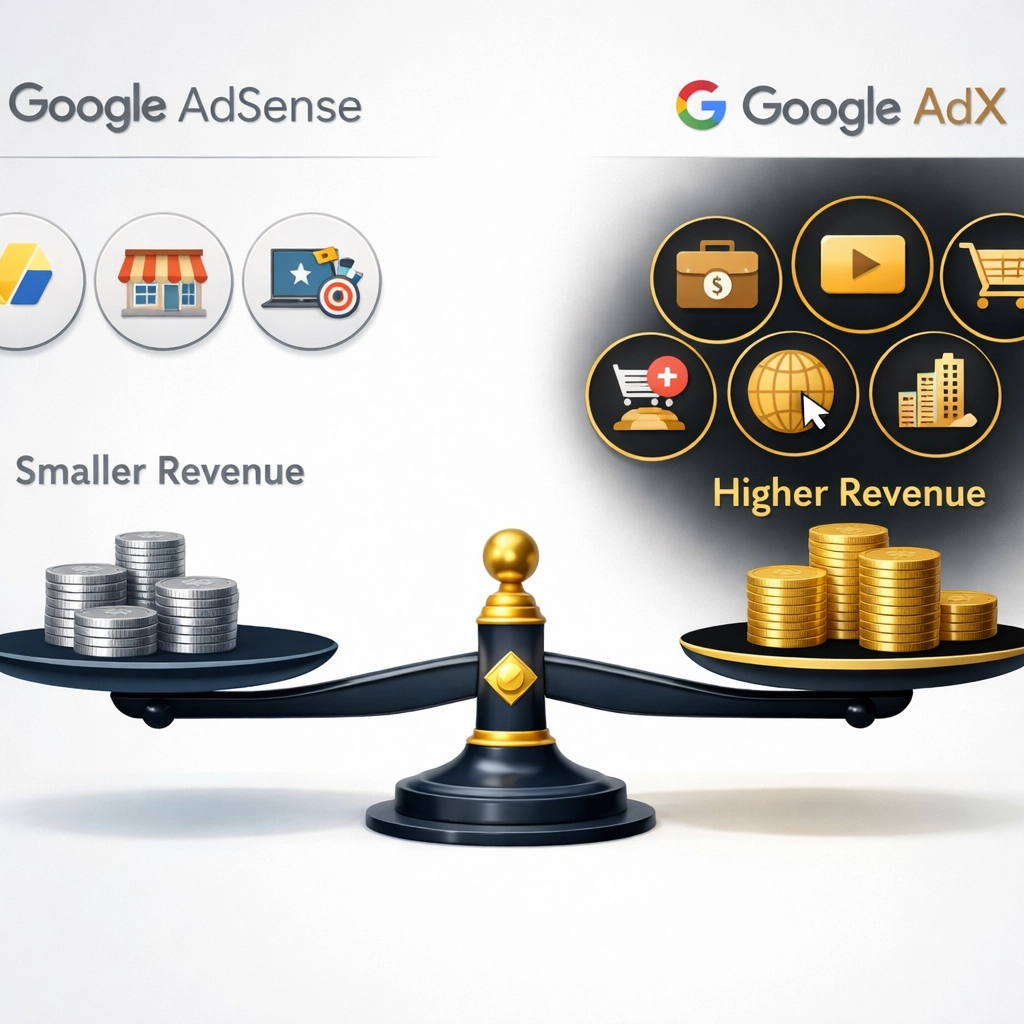
Google AdX is an advanced marketplace where publishers can sell their ad inventory to a wider range of advertisers, including those using Demand-Side Platforms (DSPs) and Agency Trading Desks. This expanded competition typically leads to higher eCPMs and increased overall revenue compared to AdSense. The key difference lies in its real-time bidding environment, which allows for more dynamic pricing and better monetization opportunities.
Unlike AdSense, which you can apply for directly, AdX access is primarily granted through Google Certified Publishing Partners (GCPPs) or Multiple Customer Management (MCM) partners. These partners act as intermediaries, enabling smaller publishers to tap into the lucrative AdX ecosystem.
The Myth of High Traffic for AdX Approval Without Traffic
The notion that high traffic is an absolute prerequisite for AdX approval is largely outdated, especially with the evolution of Google’s MCM program. While direct AdX accounts typically demand significant traffic (often in the tens of millions of pageviews), MCM partners can facilitate AdX approval without traffic for sites that demonstrate strong potential in other areas. The focus shifts from sheer volume to content quality, audience engagement, and compliance with Google’s publisher policies.
Leveraging MCM Partners for AdX Approval Without Traffic
Multiple Customer Management (MCM) is a program that allows qualified third-party partners to manage ad inventory on behalf of other publishers within Google Ad Manager. This is the most viable pathway for publishers seeking AdX approval without traffic.
How MCM Works
MCM partners have a direct relationship with Google and are authorized to extend AdX access to their network of publishers. They handle the technical complexities, optimization, and policy compliance, allowing publishers to focus on content creation. There are two main types of MCM access:
•Manage Inventory (MI): In this model, the MCM partner manages a portion or all of your ad inventory. This is often suitable for publishers with lower traffic or those who prefer a hands-off approach to ad operations.
•Managed Account (MA): This offers publishers a higher degree of control within their own Google Ad Manager account, with the MCM partner providing oversight and support. MA typically requires a more established site with consistent revenue, often necessitating a minimum of $500 in AdSense earnings for at least three consecutive months .
For those aiming for AdX approval without traffic, the MI model might be a more accessible entry point, with the possibility of upgrading to MA as your site grows.
Choosing the Right MCM Partner
Selecting a reputable MCM partner is crucial. Look for partners with a proven track record, transparent reporting, and excellent publisher support. Some well-known partners include Ezoic, Monumetric, Snigel, and AdPubsValue. Each partner may have slightly different eligibility criteria, so it’s advisable to research and compare before making a decision.
Essential Requirements for AdX Approval Without Traffic
Even when pursuing AdX approval without traffic through an MCM partner, certain fundamental requirements must be met to ensure your website is compliant and attractive to premium advertisers.
1. Google AdSense Approval
Your website must first have an approved Google AdSense account. This demonstrates to Google that your site adheres to their basic policies and has a legitimate audience. It serves as a foundational step before seeking AdX access.
2. High-Quality, Original Content
Content is king, especially when traffic volume is not your primary leverage. Your website must feature original, valuable, and engaging content that provides a positive user experience. Avoid thin content, scraped content, or anything that violates Google’s content policies. Quality content is a strong indicator of potential for audience engagement and advertiser interest.
3. Compliance with Google Publisher Policies
Strict adherence to Google’s Publisher Policies is non-negotiable . This includes:
•Brand Safety: Ensuring your content is suitable for all advertisers.
•No Invalid Traffic: Avoiding any artificial or fraudulent traffic generation.
•No Prohibited Content: Steering clear of illegal, adult, or harmful content.
Any policy violations can lead to rejection or even termination of your AdSense and AdX accounts. Regular audits of your site for compliance are essential.
4. Positive User Experience (UX)
A well-designed, fast-loading, and mobile-responsive website is crucial. A positive UX encourages longer visit durations and lower bounce rates, signaling to advertisers that your audience is engaged. This indirectly supports your case for AdX approval without traffic by highlighting the quality of your audience interactions.
5. Domain Age and Authority (Beneficial, Not Always Required)
While not always a strict requirement, a more established domain (e.g., 3-6 months old) with some organic search presence can be beneficial. It signals stability and trustworthiness to both Google and potential MCM partners. However, newer sites with exceptionally high-quality content can still gain approval.
The Step-by-Step Process to Secure AdX Approval Without Traffic
Here’s a streamlined process to help you navigate the path to AdX approval through an MCM partner:
Step 1: Ensure AdSense Approval and Compliance
Before approaching any MCM partner, make sure your Google AdSense account is fully approved and your website is in complete compliance with all Google Publisher Policies. Address any outstanding issues to avoid delays.
Step 2: Research and Select an MCM Partner
Thoroughly research various MCM partners. Consider their reputation, minimum requirements, revenue share models, and the level of support they offer. Contact a few partners to discuss your website’s specifics and understand their onboarding process.
Step 3: Website Review by the Partner
Once you’ve chosen a partner, they will conduct a detailed review of your website. This assessment will focus on content quality, user experience, traffic sources (even if low), and policy compliance. Be prepared to provide access or relevant analytics data.
Step 4: Receive and Accept Delegation Request
Upon successful review, the MCM partner will send a
delegation request to your Google Ad Manager account. You will need to log into your Google Ad Manager and accept this request to link your account with the MCM partner.
Step 5: Ad Setup and Optimization
After accepting the delegation, the MCM partner will assist with setting up ad units, configuring ad placements, and optimizing your ad inventory within Google Ad Manager. They will leverage their expertise to ensure your ads are performing optimally and generating the highest possible revenue.
Step 6: Monitor Performance and Optimize
Once AdX ads are live, continuously monitor their performance. Work with your MCM partner to analyze data, identify areas for improvement, and implement further optimizations. This iterative process ensures sustained revenue growth and helps maintain compliance.
The Future of Monetization: Beyond Traffic Volume
The landscape of digital advertising is constantly evolving. While traffic volume remains a significant factor, the emphasis is increasingly shifting towards audience quality, engagement, and brand safety. For publishers, this means that focusing on creating exceptional content and fostering a loyal audience can open doors to premium monetization opportunities like AdX, even with a smaller, highly engaged user base.
AdX approval without traffic is not a pipe dream but a tangible reality through strategic partnerships and a commitment to quality. By understanding the requirements, leveraging MCM partners, and adhering to Google’s policies, publishers can unlock a new level of ad revenue and secure their financial future in the competitive online world.
Frequently Asked Questions (FAQs)
Q1: Is AdX better than AdSense for low-traffic sites?
For very low-traffic sites, AdSense might be easier to start with. However, once your site has some consistent, quality traffic and an approved AdSense account, pursuing AdX through an MCM partner can significantly increase your revenue potential due to higher competition among advertisers.
Q2: What is the minimum traffic required for AdX approval?
There is no publicly stated minimum traffic requirement from Google for AdX approval through MCM partners. The focus is more on content quality, user engagement, and policy compliance. Some MCM partners might have their own internal traffic benchmarks, but these are often flexible for high-quality sites.
Q3: Can I get AdX approval without an AdSense account?
No, having an approved Google AdSense account is a prerequisite for AdX approval, even when going through an MCM partner. AdSense approval validates your website’s adherence to Google’s basic publisher policies.
Q4: How long does the AdX approval process take?
The approval process can vary depending on the MCM partner and the readiness of your website. It typically ranges from a few days to a few weeks, including the website review, delegation request, and ad setup.
Conclusion: Your Path to Premium Ad Revenue
Achieving AdX approval without traffic is a strategic move that can transform your website’s monetization. By partnering with the right MCM provider and maintaining a focus on high-quality content and user experience, you can access premium demand and significantly boost your ad revenue. Don’t let the myth of massive traffic deter you; the opportunity for growth is within reach.