Unlock Premium Revenue: 7 Key AdX Approval Requirements for 2025-2026
SEO Meta Description: Discover the essential AdX approval requirements for publishers in 2025-2026. Learn how to get approved for Google AdX through MCM partners and maximize your ad revenue with this comprehensive guide.
URL: /adx-approval-requirements-guide
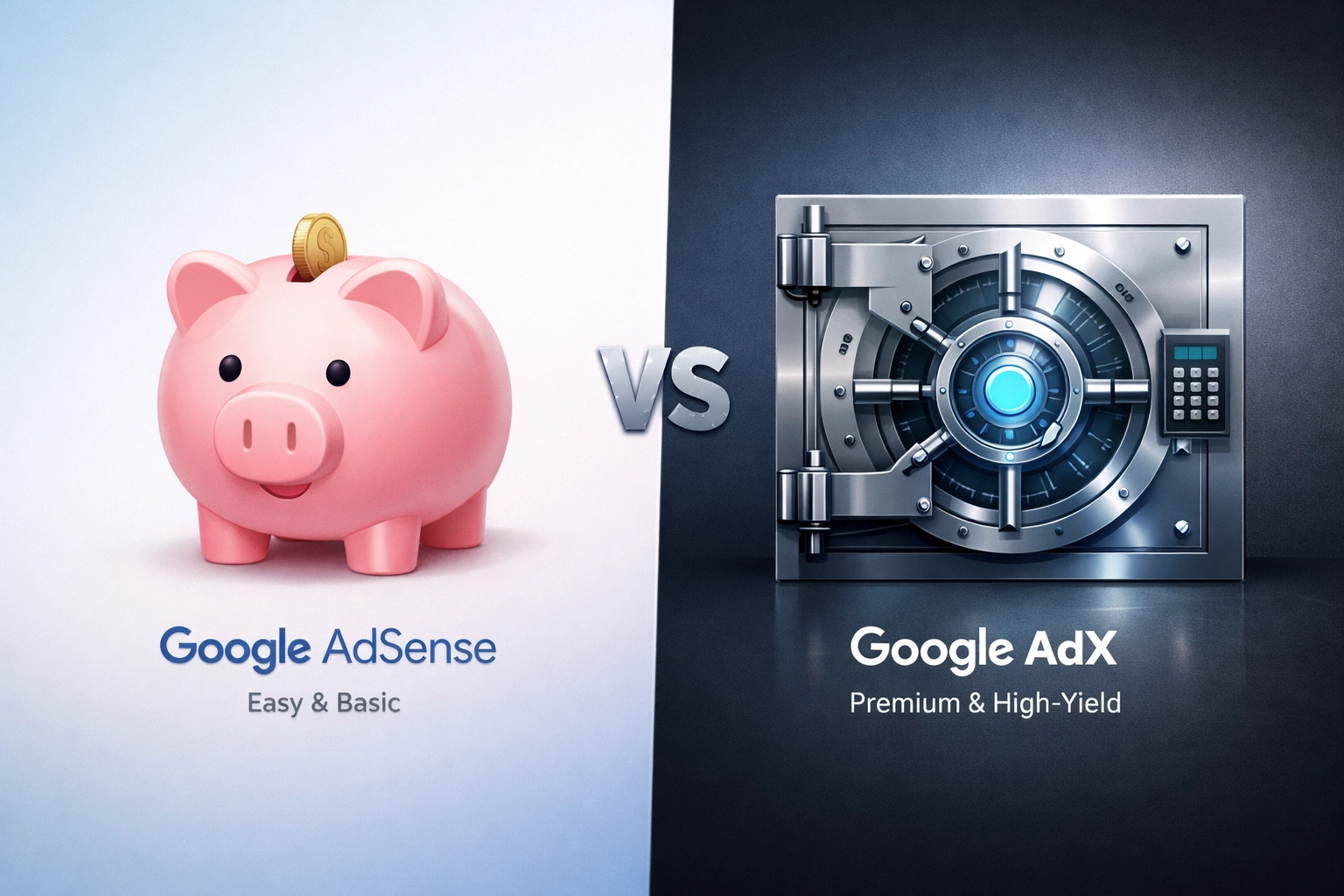
Google Ad Exchange (AdX) approval requirements are a critical consideration for publishers aiming to significantly boost their advertising revenue. While Google AdSense serves as an accessible entry point for many websites, AdX offers a premium platform with advanced features, higher-paying advertisers, and greater control over ad inventory. This comprehensive guide will delve into the intricacies of securing AdX approval, outlining the key criteria, the role of Multiple Customer Management (MCM) partners, and a step-by-step process to help publishers navigate this valuable opportunity.
For many publishers, Google AdSense is the initial foray into monetizing website traffic. It’s user-friendly and provides a straightforward way to display ads. However, as a website’s traffic and content quality mature, publishers often seek more sophisticated solutions to maximize their earnings. This is where Google Ad Exchange (AdX) emerges as a superior alternative [1].
AdX is a real-time bidding (RTB) marketplace where publishers can sell their ad inventory to a vast network of advertisers, ad networks, and demand-side platforms (DSPs). Unlike AdSense, which primarily serves ads from Google’s own network, AdX opens up competition among a broader range of buyers, leading to higher eCPMs (effective Cost Per Mille) and increased revenue for publishers. The stringent AdX approval requirements ensure a high-quality environment for both advertisers and publishers.
The Two Paths to AdX: MA vs. MI
Accessing Google AdX is not a direct process for most publishers. Instead, it’s typically facilitated through a Google Certified Publishing Partner (GCPP) or an MCM (Multiple Customer Management) partner. There are two primary models for AdX access through these partners: Managed Account (MA) and Managed Inventory (MI) [1]. Understanding the differences is crucial for publishers considering AdX approval requirements.
Managed Account (MA)
With an MA account, publishers retain a high degree of control and transparency within Google Ad Manager (GAM). This model is often preferred by larger publishers with significant traffic and in-house ad operations expertise. Key characteristics of MA include:
•Direct Control: Publishers can directly manage ad units, set pricing rules, and configure advanced ad delivery settings within their GAM account.
•Detailed Reporting: Access to comprehensive, real-time reports and analytics directly from Google.
•Direct Payments: Payments are issued directly from Google to the publisher, ensuring full transparency.
•Suitability: Best for publishers who can handle advanced ad operations and have substantial traffic volumes.
Managed Inventory (MI)
In the MI model, the MCM partner takes on a more active role in managing the publisher’s ad inventory. This option is often suitable for smaller to medium-sized publishers who may lack the resources or expertise for direct ad operations. While still providing access to AdX demand, MI offers less direct control compared to MA. The MCM partner typically handles ad unit setup, optimization, and payments, often remitting a share of the revenue to the publisher.
7 Essential AdX Approval Requirements
Meeting the AdX approval requirements is paramount for gaining access to this premium platform. While Google does not publicly disclose all specific criteria, industry insights and partner guidelines highlight several key factors. These requirements often go beyond those for AdSense, reflecting AdX’s focus on high-quality inventory and brand safety [2].
Here are 7 essential AdX approval requirements:
1. Existing Google AdSense Account
Before even considering AdX, publishers must have an approved and well-established Google AdSense account. This serves as a foundational step, demonstrating compliance with Google’s basic publisher policies and a track record of legitimate traffic and content [1].
2. Significant Traffic Volume
One of the most crucial AdX approval requirements is substantial and consistent website traffic. While there’s no official public number, most MCM partners look for publishers with millions of monthly page impressions. This ensures sufficient inventory to attract premium advertisers and generate meaningful revenue through RTB [2].
3. High-Quality, Original Content
Content quality is non-negotiable. Your website must offer original, engaging, and valuable content that provides a positive user experience. Sites with thin content, scraped content, or excessive ads are unlikely to meet AdX standards. Google prioritizes brand-safe environments for its advertisers [3].
4. Compliance with Google Publisher Policies
Strict adherence to all Google Publisher Policies is mandatory. This includes guidelines on content, behavior, invalid traffic, and ad placement. Any violations can lead to rejection or even suspension of existing accounts. Regular audits by Google and its partners ensure ongoing compliance [3].
5. Strong Payment History (for MA via some partners)
Some MCM partners, like AdPubsValue, may require a history of successful AdSense payments, often specifying a minimum number of payments (e.g., 3 successful payments) and a minimum amount (e.g., over $500 each) within a recent period (e.g., the last 3 months) [1]. This demonstrates a stable and legitimate revenue stream.
6. Good Revenue Potential
Publishers seeking AdX approval should demonstrate strong monetization opportunities. This isn’t just about traffic volume but also about audience engagement, ad viewability, and the overall value proposition for advertisers. Partners assess whether your inventory is likely to perform well in the AdX marketplace.
7. Technical Setup and Admin Access
To facilitate the integration and management of AdX, publishers will need to provide necessary technical access, often including admin access to their Google Ad Manager account, to their chosen MCM partner. This allows the partner to set up delegation requests, configure ad units, and optimize performance [1].
The Pivotal Role of MCM Partners
As direct access to Google AdX is limited, MCM partners play a vital role in connecting publishers with the platform. These partners are typically Google Certified Publishing Partners (GCPPs) who have a direct relationship with Google and the expertise to manage complex ad operations. They act as intermediaries, guiding publishers through the AdX approval requirements and providing ongoing support [4].
Key functions of MCM partners include:
•Website Review: Assessing your site’s eligibility based on traffic, content, and policy compliance.
•Delegation Request: Sending the formal MA or MI delegation request to your Google account.
•Onboarding & Setup: Assisting with the technical setup, including configuring ad units in Google Ad Manager.
•Optimization: Providing expertise in yield optimization, ensuring your ad inventory fetches the highest possible bids.
•Support & Guidance: Offering continuous support for policy compliance, invalid traffic protection, and revenue growth.AdX approval requirements
Step-by-Step: Securing Your AdX MA Approval
For publishers aiming for the highest level of control, securing AdX MA approval through an MCM partner involves a structured process. While specific steps might vary slightly between partners, the general flow remains consistent [1].
1.Initial Eligibility Check: Contact an MCM partner and submit your website for an initial review. The partner will assess your traffic, content quality, and adherence to Google’s policies.
2.Partner Approval: If your site meets the partner’s internal criteria, they will approve you for the next stage.
3.Delegation Request: The MCM partner will send an MA delegation request to your Google account, typically via Google Ad Manager.
4.Accept Delegation in GAM: Log into your Google Ad Manager account and accept the delegation request. This links your GAM account with AdX under MA access.
5.Ad Unit Configuration: Work with your partner to create and configure ad units within your Google Ad Manager. This includes setting up pricing rules, inventory segmentation, and ad delivery controls.
6.Start Monetizing: Once everything is set up, your site will begin serving AdX ads, allowing you to access premium demand and receive payments directly from Google.
Optimizing for AdX: Best Practices for Publishers
Meeting the AdX approval requirements is just the first step. To truly maximize revenue with AdX, publishers should adopt several best practices:
•Maintain High Content Quality: Continuously produce original, valuable, and engaging content to keep users coming back and ensure brand safety for advertisers.
•Focus on User Experience (UX): A clean, fast, and mobile-friendly website with intuitive navigation improves ad viewability and overall engagement.
•Monitor Traffic Quality: Implement robust invalid traffic (IVT) detection measures to protect your account from policy violations and maintain advertiser trust. Google provides resources for publishers on ad traffic quality [5].
•Strategic Ad Placement: Optimize ad placements to balance revenue generation with user experience. Avoid intrusive or excessive ads that can lead to high bounce rates.
•Leverage Ad Manager Features: Utilize the advanced features within Google Ad Manager, such as unified pricing rules, audience segmentation, and header bidding, to optimize yield.
•Stay Updated on Policies: Google’s policies are dynamic. Regularly review Google Publisher Policies and Authorized Buyers policies to ensure ongoing compliance [3] [6].
Conclusion: Maximizing Your Ad Revenue Potential
Navigating the AdX approval requirements can seem daunting, but the potential for increased revenue makes it a worthwhile endeavor for growing publishers. By understanding the key criteria, partnering with a reputable MCM provider, and adhering to best practices, you can unlock access to Google’s premium ad exchange. This strategic move allows you to tap into a broader pool of high-paying advertisers, gain greater control over your ad inventory, and ultimately maximize your website’s monetization potential. Embrace the opportunity to elevate your ad strategy and secure a more profitable future.
References
1.How to Get Google AdX MA Approval in 2025 (Step-by-Step Guide for Publishers) – AdPubsValue
2.Pro Tips How to Get Approved for Google AdX in 2025 – Agency 17D